Berwick Heritage Walk Route Guide
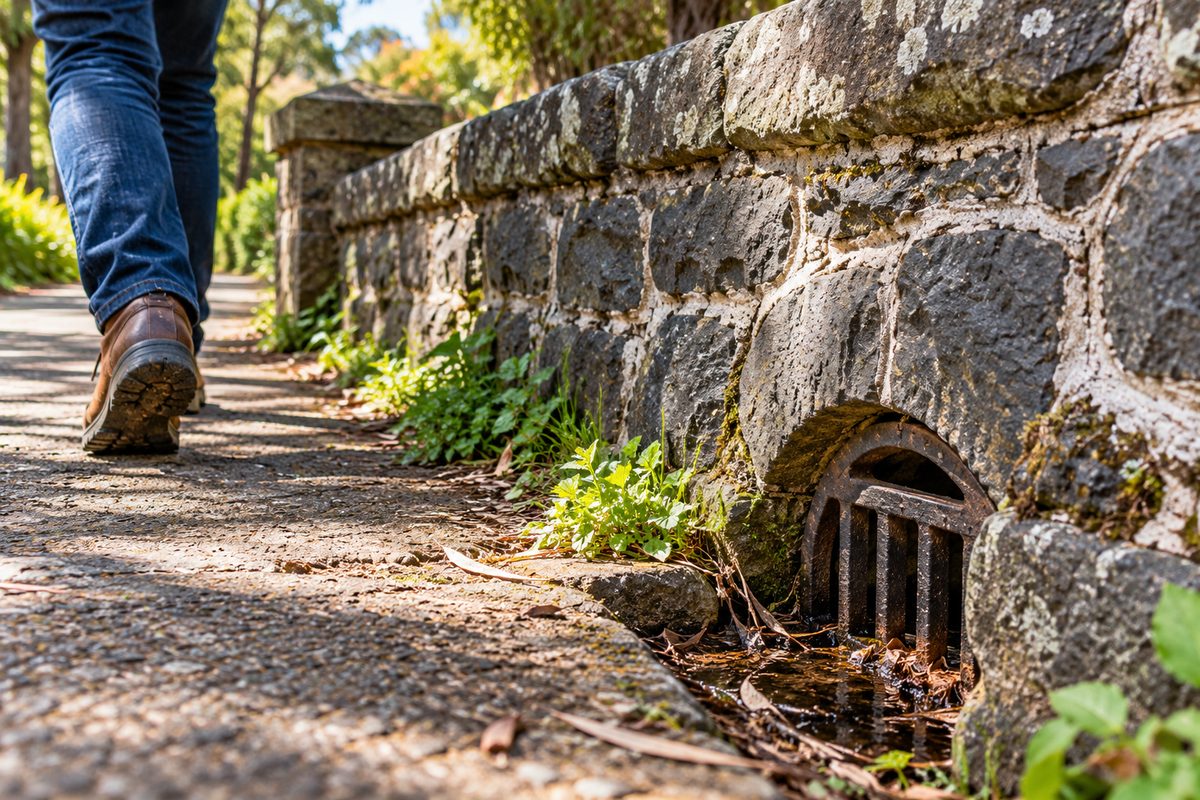
The best Berwick heritage walk is a self-guided loop of about 2 km along High Street. Start at the Berwick Mechanics' Institute, walk past the Berwick Inn and the old shopfronts, then come back on the other side of the street. It takes about an hour at an easy pace. Add another hour or two if you also want to visit Wilson Botanic Park. This guide covers which way to walk, what to look at and how to check what you are seeing. That way the walk means more than a stroll past old buildings.
Most walks in Berwick, Victoria go wrong in the same way. People park in the middle of High Street, walk one way and turn back at the first gap in the shops. They miss how the street fits together. A loop fixes that. It also lets you see both sides of the street in the right light.
What does the route actually cover?
The core route follows High Street through Berwick Village. This is the old commercial strip that grew up along the coach road heading east out of Melbourne. That road was the old Gippsland Road. Travellers, drovers and later motorists used it on the way to Gippsland. The route of the road is the reason Berwick's oldest buildings sit in a line instead of around a town square.
The loop has two parts:
- The outward leg: walk along one footpath from the Mechanics' Institute end to the far end of the shopping strip.
- The return leg: cross at a safe point and come back along the opposite footpath.
You need both sides because the best view of a building is usually from across the road. When you stand right under a shopfront, you see the awning and the window display. From the other footpath you see the parapet, the date panels and the roof line. Those are the parts that tell you when a building went up.
If you want more context on the village before you go, the Berwick Village Notes home page links to our other local guides.
Why start at the Mechanics' Institute end?
Start at the Berwick Mechanics' Institute because it explains the rest of the street. A mechanics' institute was a common feature of 1800s towns in Victoria. These halls were built so working people could attend lectures, read newspapers and borrow books. Many ran a Free Library. Before public libraries were common, this was often the only place in a small town where an ordinary family could get books without buying them.
Berwick's institute was a community hall as much as a library. Meetings, dances and local events were held there. That tells you something about the town. In the late 1800s, Berwick was a farming centre with enough people and enough local pride to build a shared hall. When you then walk down High Street and see the shops, the pub and the churches, you understand them as parts of the same small town.
There is a practical reason too. Starting at one end means you walk the street in a single direction. You are not doubling back to find the start of the strip. Check opening times before you go if you want to see inside, as access to heritage buildings like this can depend on bookings and volunteers.
What should you look for along High Street?
Look up, look at the dates and look at the gaps. Most visitors look at shop windows. The history is above them and between them.
The Berwick Inn
The Berwick Inn is the anchor of the walk. Its history as a hotel reaches back to the town's early decades, when inns along the Gippsland Road gave travellers a meal, a bed and a place to change horses. A coaching inn sat where the traffic was. So when you find the inn, you have found the spot the old town grew around.
Notice how close it sits to the footpath. Early buildings on main roads were built right to the front boundary to catch passing trade. Compare it with newer buildings set back behind car parks. That one difference shows you which buildings belong to the horse-and-coach era and which belong to the car era.
Edwardian era shopfronts
A lot of High Street's older shops date from the late Victorian period and the Edwardian era, roughly 1901 to 1910. You can learn to spot Edwardian buildings by a few signs:
- a raised parapet hiding the roof, often with a name or date panel
- red brick, sometimes with lighter brick or render bands
- verandahs or awnings over the footpath, held up by posts in older photos
- tall, narrow upper windows
Many shopfronts have been changed at street level. New glass, new signs and new paint are normal on a working street. Look above the awning for the original design. That is where the building's age usually still shows.
The road itself
Stand still for a minute and look at the width of High Street. It is wide because it was built for a main road, with room for coaches, wagons and stock. The trees and the median strip came later. Picture it as a dusty main road with low timber and brick buildings on each side. The street makes more sense once you see it that way.
How can you tell which buildings are protected?
There are two levels of protection, and they work differently. Knowing the difference stops you from guessing.
The Victorian Heritage Register lists places of significance to the whole state. Heritage Victoria manages it. A place on the register needs a permit for many changes, even inside the building in some cases.
The Heritage Overlay is local. It is part of the planning scheme run by the City of Casey. It covers buildings and areas that matter to the local community. Under the Heritage Overlay, owners usually need a planning permit to demolish or change the outside of a building. That is why older shops on High Street keep their upper facades even when the shop below changes hands.
To check a building yourself:
- Search the address on the Victorian Heritage Database. It shows both state-listed places and many local heritage places.
- Look up the address on the Victorian Government's planning property report site. It shows whether a Heritage Overlay applies.
- Read the statement of significance if one is listed. This explains why the place matters in plain words.
Do this before your walk on your phone. Then you know which buildings to stop at. A walk where you know why each building was protected feels very different from one where you only know that it looks old.
Is it worth adding Wilson Botanic Park?
Yes, if you have a spare half day. Wilson Botanic Park sits a short drive from High Street, so most people drive between the two. It is a former quarry site that was turned into a public park. That makes it heritage of a different kind. It shows how Berwick used its land for industry before the area became suburban.
The pairing works well because the two parts of the day feel different. High Street is about buildings and people. The park is about the land itself. Do the street walk first, have a break, then drive to the park. If you plan to walk its tracks properly, our separate guide to walking tracks at Wilson Botanic Park covers the routes in detail, so we will not repeat them here.
Here is a hypothetical example of how a day might run. A couple arrives at 9 am, walks the High Street loop by 10:15, has a coffee in the village and reaches the park by 11. They finish with a slow walk around the quarry lake before lunch. That plan keeps the busy street walk in the cooler, quieter morning.
How do you get more than a photo walk out of it?
Use the stories that have already been collected. Heritage tourism works best when you connect a building to the people who used it. Buildings alone only tell half of it.
The best sources for Berwick are:
- The local historical society. The Berwick-Pakenham Historical Society holds photos, records and local knowledge about the town. Old photos of High Street are the fastest way to see what has changed.
- Library local history collections. Casey Cardinia Libraries keep local history material that can include family stories and old newspapers.
- Oral history recordings. An oral history is a recorded interview with someone who lived through a period. Hearing a long-time resident describe the shops in the 1950s gives you a picture no plaque can.
- Trove. The National Library's Trove website has digitised old newspapers. Search for "Berwick" with a building name to find old reports and ads.
Here is one trick most guides miss. Find one old photo of High Street before you go. Then stand where the photographer stood. Matching the parapet lines and roof shapes to the photo trains your eye faster than any list of features. Once you have done it for one building, you start to see the original street behind the modern signs everywhere you look.
When should you walk, and what catches people out?
Walk on a weekday morning or early on a weekend. High Street is a working shopping strip. By late morning on Saturday the footpaths fill with people heading to cafes, and it is hard to stop and look up without blocking someone.
A few things trip people up:
- Parking in the middle. You then start halfway along and lose the order of the street. Park near the Mechanics' Institute end if you can.
- Walking only one side. You miss the facades on the side you are standing on.
- Low winter sun. In the colder months, the sun sits low and can be hard to photograph into. Plan your return leg so the light falls on the buildings you want to see.
- Crossing anywhere. High Street carries real traffic. Use the marked crossings.
- Expecting every building to be open. Most heritage buildings here are working shops, offices or private property. Enjoy them from the footpath.
Wear comfortable shoes. The loop is flat and paved, so it suits prams and most mobility levels. The extra walking comes if you add the park.
How do you put the route together?
Here is the full route in order:
- Park near the Berwick Mechanics' Institute end of High Street.
- Look at the institute first and think about its role as a hall and Free Library.
- Walk along one footpath through Berwick Village, looking above the awnings for dates and parapets.
- Stop at the Berwick Inn and note how close it sits to the road.
- Keep going to the end of the older shopping strip.
- Cross at a safe point and walk back on the opposite footpath, viewing the facades you just passed.
- Take a coffee break in the village.
- Drive to Wilson Botanic Park if you have time for the second half of the day.
Your next step
Before your walk, spend ten minutes doing three quick jobs on your phone. Look up two or three High Street addresses on the Victorian Heritage Database. Find one old photo of the street on Trove or through the historical society. Then save this route. On the day, start at the Mechanics' Institute, walk both sides of the street and try to match your old photo to the building in front of you. That one match will change how you see the whole street.