High Street Berwick Parking Guide
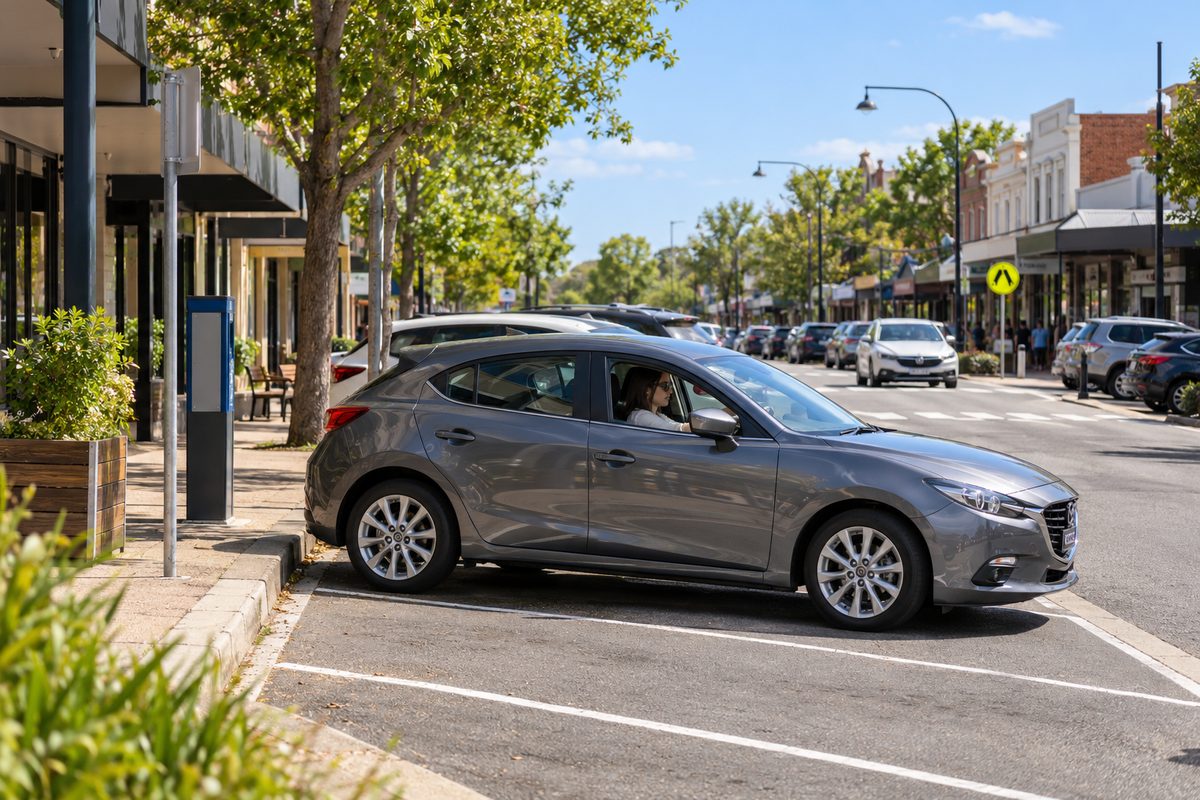
For a stress-free visit to High Street in Berwick, skip the main street bays and go straight to the off-street car parks behind the shops, then walk the last minute or two. The kerbside spots on High Street are short-stay and constantly turning over. Drivers who circle the strip hoping for a space out the front usually waste more time than the walk would have taken. Once you know how the village is laid out, parking becomes a two-minute job.
This guide covers how parking around High Street works, why it gets tight, when to avoid it and what to do instead. For more on what to see and do once you are parked, start at the Berwick Village Notes home page.
How does parking around High Street actually work?
Parking in the village comes in two types. Each suits a different kind of visit.
On-street bays
The bays along High Street itself are built for quick stops. Think grabbing a coffee, collecting a script from the chemist or dropping off a parcel. These spaces carry short time limits, and the signs can change from one block to the next. Some stretches also have loading zones or no-stopping areas at set times of day.
The rule that matters most: the sign above your bay is the only one that counts. A space twenty metres up the road can have a different limit. Read the sign every time, even on a street you know well.
Off-street car parks
Behind the shopfronts sit public car parks that serve the shopping strip. Visitors from overseas might call each one a parking lot. These usually allow longer stays than the main street and have more spaces in one place. That means less circling and less pressure on the clock.
They connect to High Street through laneways and side streets, so the walk to most shops and cafes is short. If your plans include lunch, a browse through several shops or a haircut, an off-street car park is the right choice from the start.
Who sets and enforces the rules?
The City of Casey manages parking in Berwick, Victoria. Council sets the time limits, puts up the signs and sends local laws officers to check them. Overstaying a limit or parking in a restricted zone can lead to a fine. Signs and limits can change, so treat the sign on the day as the final word over anything you read online, including this guide.
Why is High Street so tight on space?
High Street was not designed for the number of cars that now visit it. Its layout comes from a much older era.
Before the bypass routes were built, High Street carried through traffic as part of the main road east out of Melbourne. Today the Princes Highway runs south of the village, and the Old Princes Highway continues east through Beaconsfield. That shift took heavy through traffic off the strip. It left behind a narrow village main street lined with older buildings set close to the road.
That history explains what drivers see today. The shops sit right on the footpath, so there is no room for a car park out the front. Space for more kerbside bays simply does not exist. Parking had to go behind the buildings instead, which is why the off-street car parks matter so much.
Berwick Village has also grown into a dining and shopping spot that draws people from across the south-east. More visitors share the same fixed number of spaces. The strip has charm because it stayed small. That same smallness is what makes parking a puzzle at busy times.
When does peak demand hit, and how do you dodge it?
Peak demand on High Street follows a predictable pattern. Plan around it and you will rarely struggle.
- Weekend mornings are the busiest window. Brunch crowds arrive from mid-morning, and spaces fill fast.
- Weekday lunchtimes bring office workers, tradies and locals running errands.
- Friday and Saturday evenings get busy around restaurants as dinner bookings start.
- Local events in the village can fill every nearby space for the day.
The easiest fix is timing. Arriving before 9am on a weekend usually means a choice of spaces. Mid-afternoon on a weekday, after the lunch rush and before school traffic, is often the quietest time of all.
If you must come at a busy time, change your approach instead of your schedule. Head straight to an off-street car park rather than doing a lap of High Street first. That one decision does the most to cut parking stress, because the main street bays are the first to fill and the slowest to free up.
Should you park at the train station and walk?
For most shoppers and diners, no. The off-street car parks near High Street are closer and built for that purpose.
Berwick railway station sits south of the village, on the other side of the Princes Highway. Its commuter car park exists for people catching trains, and on weekdays it fills with commuters early in the morning. Using it for a shopping trip takes a space from someone who needs it to get to work, and the walk to High Street is long enough to feel it on the way back with bags.
There are two situations where the train station makes real sense:
- You are arriving by train. Coming in on the Pakenham line removes the parking question entirely. The walk up to the village is the only trade-off.
- A major event has filled the village. On a crowded event day, catching the train in or parking further out and walking can beat queuing for a space that will not come.
On an ordinary visit, park close to the shops. Save the station for when you are actually using the train.
What do drivers get wrong about the signs?
Most parking fines in busy shopping strips come from a handful of simple misreadings. These are the ones worth checking every time you park.
Reading the wrong sign
Limits apply from the sign in one direction to the next sign. Drivers often glance at a sign across the road or further down the block. Check the arrows on the sign nearest your car and confirm your bay sits inside them.
Forgetting the hours
A time limit usually applies only during certain hours and days. Outside those hours, the space may be unrestricted. Inside them, the limit is strict. A sign might show one limit on weekdays and another on Saturday. Read the full panel, not just the big number at the top.
Moving the car a few metres
Shifting to the bay next door does not always reset your time. Many parking rules treat the whole signed length of road as one area. If you need more time, move to an off-street car park or a different street.
Clipping a restricted zone
Loading zones, bus stops, driveways and the space near pedestrian crossings all carry their own rules. Even a small overhang into one can count. Leave a clear gap.
How do you park safely on a busy village street?
Road safety on High Street comes down to slow speeds and patience. The strip mixes cars, delivery vans, cyclists and a lot of people on foot. Pedestrians step out between parked cars, often looking at their phone or holding a child's hand.
A few habits make a big difference:
- Drive slower than the limit while hunting for a space. Your eyes are on the bays, not the road, so give yourself more time to react.
- Reverse out with care. Backing out of a bay is the riskiest moment. Go slowly, check mirrors and over your shoulder, and use your reversing camera if you have one.
- Watch car doors. Before you open your door, check for cyclists and passing cars.
- Do not stop in traffic to wait for a space if it blocks the lane. Drive on and use an off-street car park instead.
Off-street car parks carry their own risks. Cars reverse from both sides of the aisle, and children can be hard to see between vehicles. Hold small hands and walk along the edge rather than down the middle of the aisle.
What if you need accessible parking or have a pram?
Accessible parking bays are available around the village for people with a valid disability parking permit. Display the permit clearly and check the sign, because these bays can still carry their own time limits. Parking in an accessible bay without a permit can lead to a fine and takes the space from someone who depends on it.
If you are managing a pram, a wheelchair or someone with limited mobility, plan the route as well as the space. Look at where kerb ramps sit between the car park and the footpath. A space slightly further away with a flat, direct path is often easier than a closer one that means bumping down a kerb.
Parents with young children are often better off with a wide off-street bay than a tight kerbside space on High Street. There is room to open doors fully, unload a pram and buckle a child in without stepping into traffic.
Which parking plan suits your trip?
The right choice depends on how long you will stay. These are hypothetical examples to show how the decision plays out, not accounts of real visits.
Example: the five-minute errand
Imagine you need to pick up a script from the chemist on a Tuesday afternoon. A kerbside bay on High Street fits this well. Check the sign, do the errand and leave well inside the limit. If no bay is free on your first pass, go to an off-street car park rather than circling.
Example: Saturday brunch with friends
Now picture a Saturday at 10.30am, with a table booked for an hour and a half. The main street will be full, and a short limit would cut your meal short. Go straight to an off-street car park, confirm its limit covers your whole visit, and walk in. Arriving ten minutes early takes the pressure off if the nearest car park is busy.
Example: a day out in the village
Picture a visitor planning shopping, lunch and an afternoon at a local garden. Few village spaces allow that long a stay. The better plan is to split the day: park near the shops for the first part, then drive to the next stop and use the parking there. That avoids overstaying in any one place.
Your parking plan for the next visit
Here is what to do before and during your next trip to High Street:
- Decide how long you will stay before you leave home. Under 30 minutes suits a kerbside bay. Anything longer suits an off-street car park.
- Avoid the busiest windows when you can. Early weekend mornings and mid-weekday afternoons are the easiest times.
- Skip the lap of High Street at busy times and drive straight to an off-street car park.
- Read the sign above your bay, including the hours, days and arrows, every single time.
- Set a phone timer for ten minutes before your limit ends.
- Leave the station car park for train users unless you are catching the train yourself.
If you remember one thing, make it this: on any visit longer than a quick errand, head straight to the car parks behind the shops and let the main street bays go.