La Baguette Cafe Berwick Guide
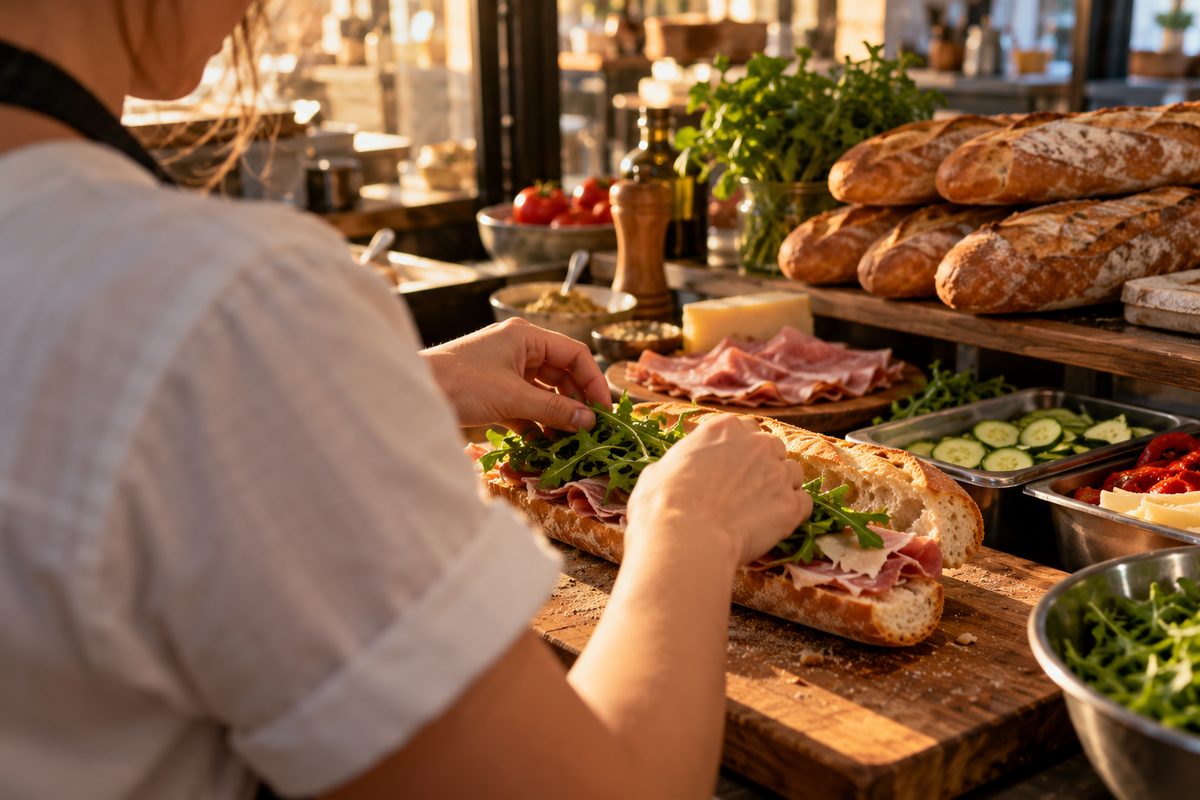
The best way to visit La Baguette Cafe is to treat it as a bakery first: arrive early, order whatever came out of the oven that morning and check the current hours and menu before you travel. A French-style bakery cafe works differently from a brunch cafe. Its best food is made in batches before opening, and once a batch sells out, it is gone for the day. This guide explains how that rhythm shapes your visit, how to judge what is on the counter and what to ask if you have dietary needs. Business details such as opening hours, prices and exact menu items change often, so confirm them on the cafe's own listing or by phone before you go.
For the wider picture of eating and shopping in the village, start with the Berwick Village Notes home page.
What kind of place should you expect?
Expect a counter-led bakery cafe, not a sit-down brunch venue with a long cooked menu. The name points to a French baking style, so the draw is bread and pastry. Coffee sits alongside it.
That difference matters more than most people think. At a brunch cafe, the kitchen cooks your eggs when you order. Timing barely changes what you get. At a bakery, the work happens hours before you walk in. Dough is mixed, rested, shaped and baked in the early morning. What you can buy at 8am and what you can buy at 1pm may be very different.
So the question to ask yourself is simple. Are you coming for the baking or for a place to sit for an hour? If it is the baking, plan around the oven. If it is a long, seated meal, a brunch cafe on the strip may suit you better on that particular day.
When should you arrive for the best range?
Arrive within the first hour or two of opening. That is when the shelves are fullest and the pastries are freshest.
Here is how the bakery day usually runs. Laminated pastries such as croissants are baked early because they lose their crisp texture within hours. Loaves come out in the morning too. Some bakeries run a second smaller bake later, but many do not. Popular items tend to sell first, and on weekends that can happen fast.
Hypothetical example: picture two friends from the same street. One arrives at opening on a Saturday and has a full counter to choose from. The other arrives at 12.30pm and finds two plain croissants and a half-empty bread shelf. Same cafe, same day, very different visit. Nothing about the quality changed. Only the timing did.
If you can only come later in the day, ring ahead and ask whether you can reserve a loaf or a pastry. Many small bakeries will set items aside if you ask early enough.
How do you tell a good pain au chocolat from an average one?
Look at the layers, then listen to the bite. A well-made pain au chocolat shows clear, separate layers on the cut side and shatters a little when you bite it.
A pain au chocolat is made from the same laminated dough as a croissant. Bakers fold butter into the dough again and again, creating many thin sheets. In the oven, water in the butter turns to steam and pushes those sheets apart. That is where the airy inside comes from. A rectangle of dough is rolled around one or two sticks of dark chocolate.
Use these checks on the counter or once you sit down:
- Colour: a deep golden brown, even a little dark at the edges, usually means a full bake. Pale pastry often tastes doughy.
- Inside: tear it open. You want an open, honeycomb pattern, not a dense, bready middle.
- Flakes: a good one leaves crumbs on the plate. That mess is a sign the layers held.
- Smell: it should smell of butter, not of oil or sugar.
Most guides tell you to judge a French bakery by its croissant. The pain au chocolat is a fairer test for a first visit, because the chocolate hides nothing. If the dough under it is gummy, you will notice straight away.
What is hearth bread, and is it worth taking a loaf home?
Yes, a loaf is often the best value item in a bakery like this. Hearth bread is bread baked directly on the floor of the oven, or on a stone or deck, rather than in a tin.
Without a tin, the dough spreads and rises on its own. Heat hits it from below and all around. The result is a thick, crackly crust and a chewier, more open crumb. A classic baguette is one example. Round and oval country loaves are others.
The catch is that hearth bread goes stale faster than soft sandwich bread. A thin baguette can turn hard by the next morning. Larger loaves last longer. A few simple habits help:
- Keep it in a paper bag or cloth for the first day. Plastic softens the crust.
- If you will not finish it in a day or two, slice it and freeze it. Toast slices straight from frozen.
- Revive a slightly tired loaf with a splash of water on the crust and a few minutes in a hot oven.
Buying bread on your way out also takes pressure off the visit. If the pastry shelf is thin by the time you arrive, a loaf for dinner still makes the trip worthwhile.
How does the coffee fit Berwick's coffee culture?
Order the way you would at any good Melbourne-area cafe. In Berwick, Victoria, the local coffee culture follows the wider Melbourne habit of espresso-based milk coffees made to order, and most people order them without a second thought.
The flat white is the standard here. It is espresso with steamed milk and only a thin layer of fine foam on top, so the coffee flavour stays strong. Australians and New Zealanders both claim it, and it has been a fixture of cafe menus since the 1980s.
A French-style bakery can pull you in a slightly different direction. In France, the morning coffee with pastry is often a simple black coffee or a large milky coffee. You do not need to copy that. What matters more is matching strength to food:
- A buttery, rich pastry pairs well with a short black or a flat white. The coffee cuts through the fat.
- A sweet pastry with a sweet, large milk coffee can feel heavy. Try a smaller, stronger cup instead.
If you plan to take pastries away, order your coffee last. The pastry will keep for twenty minutes. Your coffee will not.
Can you eat here on a gluten-free diet?
Possibly, but ask before you order, and do not assume. A bakery that works with wheat flour all day is a hard place to avoid gluten completely.
This matters most for people with coeliac disease. Coeliac Australia estimates it affects about 1 in 70 Australians. For them, a gluten-free diet is a medical need, and even small amounts of gluten can cause harm. Flour in the air and on shared benches, trays and tongs can reach food that has no wheat in it.
In Australia, a food labelled gluten-free must contain no detectable gluten under the Food Standards Code. That is a strict standard. A cafe saying an item has no wheat in the recipe is not the same claim.
Ask staff these questions:
- Is this item made here or bought in sealed from a gluten-free supplier?
- Is it stored and served separately from the wheat pastries?
- Do you use clean tongs and a clean plate for gluten-free orders?
If you avoid gluten by choice rather than for health reasons, the risk is lower and you have more room. If you have coeliac disease and the answers are unclear, a coffee and a sealed, labelled item is the safer order. You can still enjoy the stop without taking a chance.
How does it fit a trip from Narre Warren or elsewhere in the City of Casey?
It suits a short morning trip well. Berwick sits within the City of Casey, in Melbourne's south-east, and neighbouring suburbs such as Narre Warren are a short drive away.
Most of the village's cafes and shops cluster around High Street, so a bakery visit can easily become part of a longer errand run. Confirm the cafe's current address before you set off, and allow a little time to find parking on busy weekend mornings.
Hypothetical example: a family from Narre Warren wants fresh bread for a Sunday lunch. If they leave home at 9am, they could pick up a loaf and two pastries, walk the village for twenty minutes and be home before 10.30am. Leave at 11am instead, and the same trip risks a near-empty bread shelf and busier streets.
The point is to make the bakery the first stop, not the last. Do your other errands after you have the bread in the car.
What do most visitors get wrong?
The most common mistake is treating the counter as fixed. It is not. It changes through the day, and the best items go first.
A few other habits cost people a better visit:
- Ordering only sweet things. Savoury pastries and plain bread show a baker's skill just as clearly, and they make a more filling breakfast.
- Not asking what is freshest. Staff know which tray came out ten minutes ago. Ask them.
- Storing bread in plastic straight away. It softens the crust you paid for.
- Relying on old online details. Hours and menus at small cafes change. A quick check saves a wasted trip.
None of these need effort to fix. They just need you to think like a bakery customer rather than a brunch customer.
Your next step
Plan your first visit around the oven: go early, buy one laminated pastry and one loaf, and judge the place on those two items.
Before you go:
- Check the cafe's current opening hours and address on its own listing, or call.
- Aim to arrive within the first hour or two of opening, especially on weekends.
- If you follow a gluten-free diet, ring ahead and ask how gluten-free items are made and served.
- Bring a paper or cloth bag if you plan to take bread home.
- Order your coffee last if you are taking food away.
For more on where to eat, shop and spend a morning in the village, browse the guides at Berwick Village Notes.