Berwick and Beaconsfield Suburb Differences
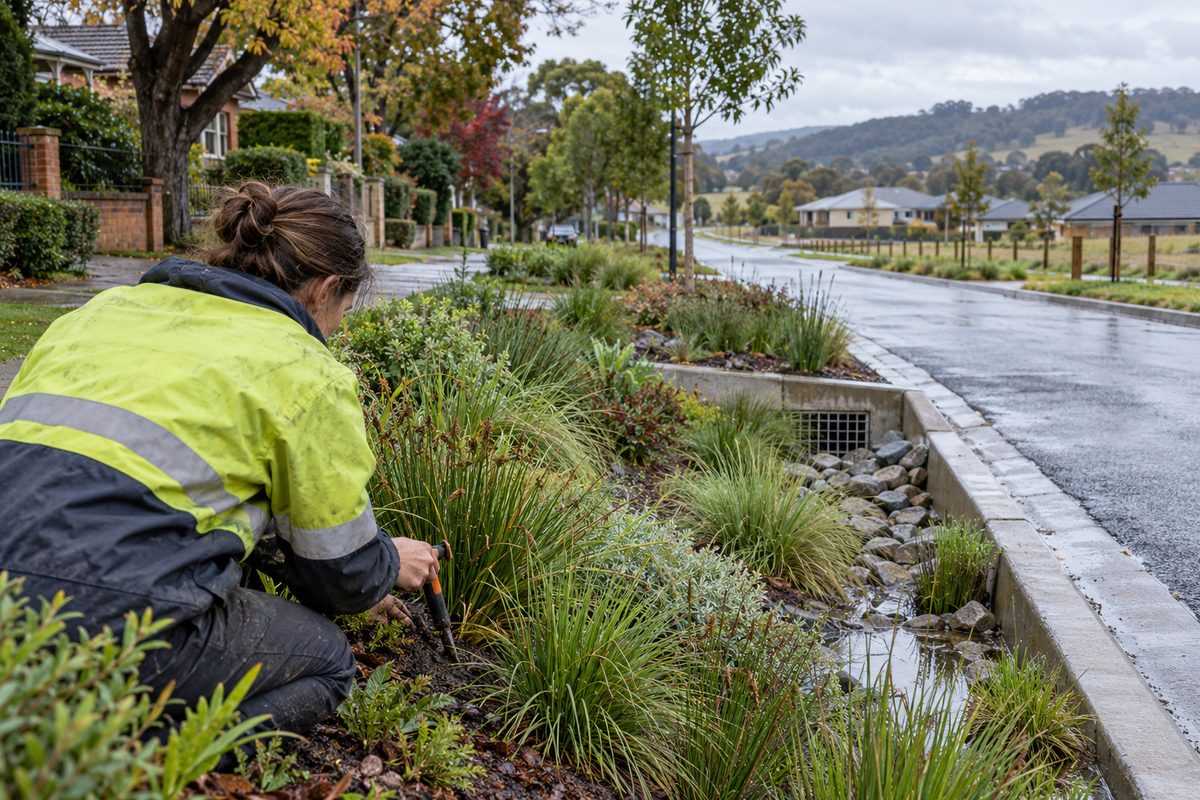
Berwick is the bigger, busier and more built-up suburb, while Beaconsfield is smaller, quieter and has more space between homes, with one part of it run by a different council. The two sit side by side on Melbourne's south-east edge and share a train line and a highway. They feel close on a map. Day to day, they work in quite different ways, and the gap matters most when you pick a home, plan a commute or choose where to spend a weekend.
This guide puts the two side by side. It focuses on the things that change your daily life, not on general history. If you want a full local guide to one suburb, you can find more on the Berwick Village Notes home page.
Which council looks after each suburb?
Berwick, Victoria sits wholly inside the City of Casey. Beaconsfield, Victoria is split. The western part falls under the City of Casey and the eastern part falls under the Shire of Cardinia. Cardinia Creek runs through the area and forms much of that line.
This sounds like paperwork. It is not. Your council sets your rates, collects your bins and runs your local parks and libraries. It also decides planning rules, so it shapes what can be built next door to you.
Here is a hypothetical example. Two families buy homes in Beaconsfield, a few minutes apart. One lands on the Casey side and one on the Cardinia side. They pay rates to different councils, check different planning schemes and book a hard rubbish pickup through different systems. Neighbours who chat over the fence may get different answers to the same question about a new shed.
The tip here is simple. Before you buy or rent in Beaconsfield, look up the exact address on both council websites. Do not assume. In Berwick, you only need to check one.
Where does Beaconsfield Upper fit in?
Beaconsfield Upper is a separate locality, not just the top end of Beaconsfield. It sits in the Shire of Cardinia, up in the hills to the north-east. Roads wind, blocks are large and many homes sit on acreage among trees.
People often lump it in with Beaconsfield because of the name. That is a mistake if you want a short walk to a train or a shop. Beaconsfield Upper is a car-based, semi-rural place. It also carries more bushfire planning to think about than the flat, built-up streets of Berwick.
How different does each suburb feel on the ground?
The biggest difference is population density. Berwick has many more people packed into its area. It has older streets near the village centre, then large estates of newer homes spreading out from there. Blocks in many newer parts are smaller, and houses sit closer together.
Beaconsfield has far fewer residents. Many of its homes sit on bigger blocks, and some streets feel close to country. Trees, paddocks and open land are a normal part of the view, especially as you move east towards the Cardinia side.
Picture a Saturday morning in each place. In Berwick, you might hear mowers, kids on bikes and traffic heading to the shops. In Beaconsfield, on a larger block, you are more likely to hear birds, a neighbour's dog and not much else. Neither is better. They suit different people.
What does that mean for housing?
In Berwick you get a wide mix. There are older brick homes near the centre, family houses on estates and some townhouses and units. That mix gives buyers and renters more choice at different price points.
In Beaconsfield, the stock leans towards standalone houses, often on larger land. There is less to choose from at any one time because the suburb is smaller. If you want a big yard, a shed or room for a trailer, Beaconsfield often makes that easier to find.
A common trap: people assume more land always means a bigger price. Land size is only one factor. Council zone, slope, access and how close a home sits to the train all move the price too. Compare homes on the same factors, not only on block size.
How do you get around from each one?
Both suburbs sit on the Pakenham line, run by Metro Trains Melbourne. Berwick has its own station. Beaconsfield railway station, Melbourne sits one stop further east. Either one gives you a train trip into the Melbourne central business district, which lies roughly 40 to 45 kilometres away.
The station is where the two suburbs act most alike. The difference is how you reach it. In Berwick, more homes sit within walking or cycling distance of the station or a bus route. In Beaconsfield, and almost always in Beaconsfield Upper, you are more likely to drive to the station and park.
What about the roads?
The Princes Highway runs through both suburbs. It carries local traffic, buses and trips between shops. In Berwick, the highway brings busy stretches at peak times, with lights and turning traffic.
The Princes Freeway runs to the south. It is the main fast route west into Melbourne and east towards Pakenham and Gippsland. Beaconsfield has quick access to the freeway, which makes it handy for anyone who drives for work. Berwick drivers also use the freeway, but may spend more time on local roads getting to it.
Hypothetical example: a nurse working shifts across the south-east may prefer Beaconsfield. Fast freeway access and a quiet street to come home to can beat being close to a café strip. A student without a car may prefer Berwick, where more trips can happen on foot, by bike or by bus.
Where do you shop, study and get things done?
Berwick has more of everything within its own borders. High Street is the heart of the old village, with cafés, restaurants and small shops. If breakfast is your thing, our guide to breakfast in Berwick covers how the strip works.
Berwick also has supermarkets, medical clinics and Casey Hospital. For a big shop, Westfield Fountain Gate sits close by in Narre Warren. It is one of the largest shopping centres in Australia, and most Berwick residents reach it in a short drive.
Beaconsfield has a smaller local centre that covers basics. For larger shopping trips, most residents head to Berwick, Pakenham or Westfield Fountain Gate. That is normal for the suburb, and most people who live there plan around it.
What study options are nearby?
Berwick hosts Federation University Australia, Berwick campus. This campus used to belong to Monash University. Monash ran it for years before handing it over to Federation University in 2014. Some older locals, maps and signs may still call it the Monash campus, which can confuse newcomers.
The campus adds students and staff to Berwick's daily traffic, and supports demand for rentals nearby. Beaconsfield residents can reach the campus easily by car or a short train ride plus a connection, but it does not shape life in Beaconsfield the same way.
Berwick also has a strong mix of schools, both public and private. Beaconsfield has local primary options, and families often travel into Berwick or nearby suburbs for secondary school. Always check school zones on the Victorian Government's Find My School website, because zones follow the address, not the suburb name.
Which suburb gives you more access to nature?
Beaconsfield wins on space and green outlook. Cardinia Creek runs along its edge, with bushland and reserves nearby. The hills of Beaconsfield Upper rise just behind, which gives the area a more open, leafy feel.
Berwick has good parks too. There are reserves, playgrounds and walking paths across the suburb, and you can reach the Cardinia Creek corridor from its eastern side. The difference is how the green space sits. In Berwick, parks are pockets inside a built-up suburb. In Beaconsfield, the green often surrounds you.
Many articles say Berwick lacks nature. That is wrong. Berwick has plenty of parks. What it lacks is the feeling of open land just past your back fence, which Beaconsfield offers more often.
Who tends to suit each suburb?
Here is a plain way to think about it. Use these as starting points, then test them against your own needs.
Berwick often suits people who:
- Want shops, cafés and services close by, ideally within walking distance.
- Need a choice of housing types, including smaller homes or units.
- Study or work at the university campus, the hospital or nearby offices.
- Prefer a busier, more social suburb with more going on.
Beaconsfield often suits people who:
- Want a larger block and more quiet.
- Drive most places and value fast freeway access.
- Are happy to travel a few minutes for big shopping trips.
- Like being close to creek land and the hills.
Here is a hypothetical case that shows the trade-off. A couple with two young kids want room for a veggie patch and a trampoline. They look at a Berwick estate home with a small yard close to a park, and a Beaconsfield home with a large yard but a drive to most shops. If they work from home and love weekends outdoors, Beaconsfield may suit them. If they want to walk the kids to school and grab milk on foot, Berwick will likely win.
What do most comparisons get wrong?
Most comparisons treat Beaconsfield as "Berwick but smaller". That misses three practical points.
First, the council split. Half of Beaconsfield answers to a different council from Berwick. That changes rates, planning and services, and few guides mention it.
Second, the name confusion with Beaconsfield Upper. It is a hillside, semi-rural locality with very different access, housing and fire planning. Searching for "Beaconsfield" homes can return both, so read listings closely.
Third, the station gap. Both suburbs have a station on the same line, so people assume equal train access. What matters is how far your actual home sits from the platform. A Berwick home a short walk from the station gives a very different commute to a Beaconsfield home that needs a drive and a hunt for parking.
How should you compare the two for yourself?
Do not decide from a map or a list. Spend time in each suburb at the times you would actually live there.
- Check the council. Enter any Beaconsfield address on both the City of Casey and Shire of Cardinia websites to confirm which one applies.
- Time your commute. Drive or catch the train from each suburb during a real weekday peak, not on a quiet Sunday.
- Walk to the station. Measure the distance from your shortlisted homes to the nearest platform, and note parking at each station.
- Do a weekday errand run. Visit the shops you would use for groceries and the pharmacy, and see how long it takes.
- Look up school zones. Use Find My School for each address, since zones do not follow suburb lines.
- Read the planning overlays. Check for bushfire and environmental overlays, especially near Cardinia Creek and in Beaconsfield Upper.
Your one takeaway: pick the suburb that fits your daily routine, then confirm it by doing that routine there on a real weekday before you sign anything.