Italian Restaurants in Berwick
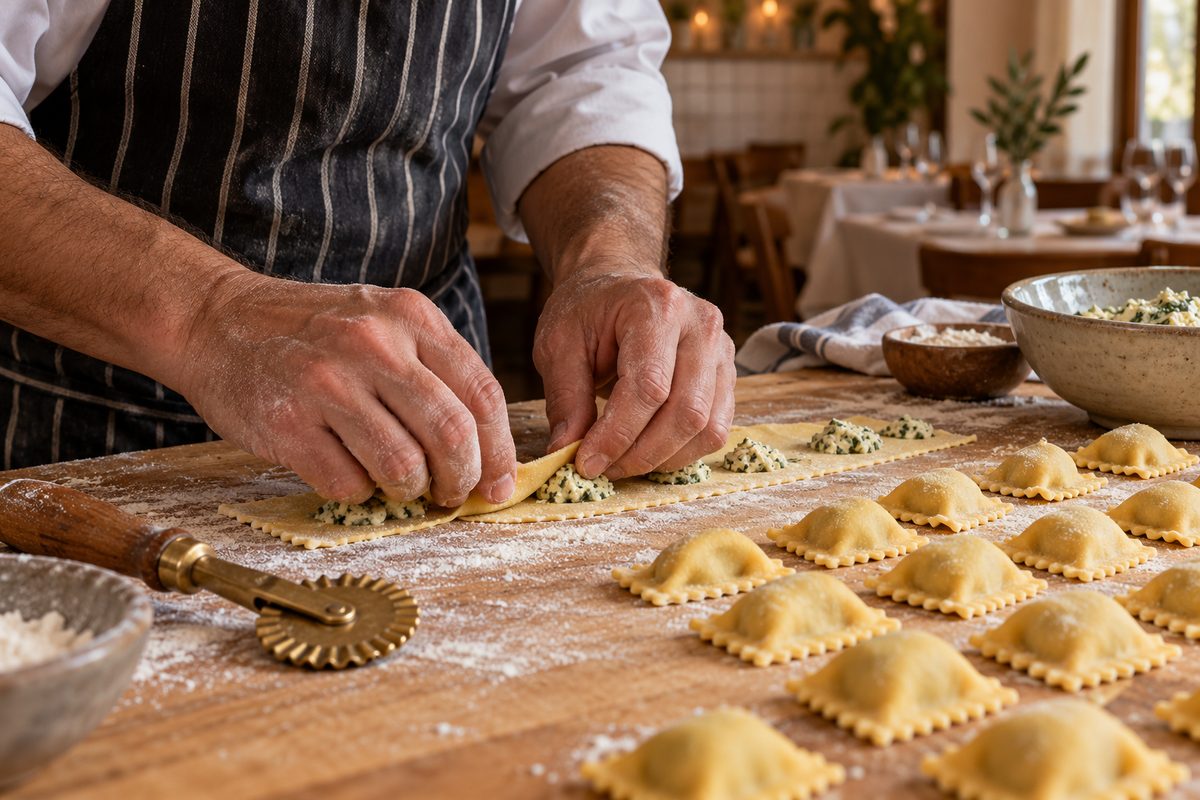
The best Italian restaurant in Berwick for you depends on the meal you want: a wood-fired pizza place suits a quick, casual night, and a full trattoria-style menu suits a long dinner with courses. Berwick, Victoria sits in the City of Casey, about 45 kilometres south-east of Melbourne's CBD. Most of its sit-down dining is on and around High Street. The Italian choices run from takeaway pizza shops to restaurants with pasta, mains and a wine list. Owners and menus change often, so a ranked list would go out of date fast. This guide shows you how to judge any Italian place in the area before you book, so you pick well every time.
The main idea is simple. An Italian menu tells you almost everything about the kitchen before you taste a thing. Learn to read it and you will rarely have a bad night out. For more local guides, visit Berwick Village Notes.
What separates a good Italian menu from an ordinary one?
A good Italian menu is short and names its ingredients. An ordinary one is long and vague.
Italian cuisine is built on a few good ingredients cooked simply. A kitchen doing that well does not need 40 pasta dishes. A menu with eight to twelve pastas and a handful of pizzas usually means fresh sauces made that day. A menu with dozens of options often relies on frozen bases and bought-in sauces, because no small kitchen can prep that much from scratch.
Watch for these signs:
- Dishes named after Italian regions or cities, such as amatriciana (from Amatrice) or carbonara (from Rome), cooked the way those places cook them.
- A specials board that changes with the season.
- Fresh pasta named as such, often with the shape listed (pappardelle, tagliatelle, gnocchi).
- Pizza toppings kept to a few items, instead of piled high.
A common miss in most dining guides: a creamy carbonara is a warning sign. The Roman version uses egg yolk, cheese, cured pork and pepper. No cream. If cream is listed, the kitchen is cooking an Australian take on the dish. That can still taste good, but it tells you how closely the rest of the menu follows Italian ways.
Which ingredient names actually mean something?
Three names on a menu are worth noticing, and each one tells you something different.
San Marzano tomato. This is a plum tomato variety. The protected version, labelled "Pomodoro San Marzano dell'Agro Sarnese-Nocerino DOP", grows in volcanic soil near Mount Vesuvius in Italy. It is sweeter and less acidic than common tinned tomatoes, which matters in a simple pizza or pasta sauce. Many tins say "San Marzano style" without the DOP mark. A restaurant that lists San Marzano tomatoes is telling you it cares about its sauce base.
Buffalo mozzarella. This cheese is made from water buffalo milk. It is softer and richer than standard cow's milk mozzarella (often called fior di latte). The Italian protected version is Mozzarella di Bufala Campana DOP. Victoria also has local buffalo dairies that make it, so seeing it on a Berwick menu does not always mean it was imported. Either way, it should come fresh and be added to pizza late, or served cold in a caprese salad.
Olive oil. Look for "extra virgin" on the menu or on the bottle at the table. Extra virgin olive oil is the first cold press with no heat or chemicals. Australia has its own voluntary standard for it, and many Australian oils perform well in testing. A good place will pour oil with bread or finish a dish with a drizzle, because good oil is a flavour in its own right in Italian cooking.
How should you order to eat the Italian way?
Order in courses and share. The traditional Italian meal structure moves through small plates, so you eat a range of things without one huge serve.
Here is how a full Italian dinner runs:
- Aperitivo: a light drink, such as a spritz, to open the appetite.
- Antipasto: cold or small starters, like cured meats, olives, bruschetta or arancini.
- Primo: the first course, usually pasta, risotto or soup.
- Secondo: the main protein, such as fish, veal or chicken.
- Contorno: a vegetable side served with the secondo.
- Dolce: dessert, like tiramisu or panna cotta.
- Caffè and digestivo: an espresso, and maybe a small limoncello or amaro.
Nobody expects you to eat all seven. In Italy, people pick and choose too. The useful part is the idea behind it. In Italy, pasta is a first course, so serves there are smaller. Many Australian restaurants serve pasta as a main, which is why a bowl can feel enormous.
Here is a hypothetical example of how this helps. A table of four orders two antipasti to share, then two pastas split as a primo, then one secondo with a contorno for the table. They spend about the same as four separate mains. But they taste six dishes instead of four, and they get a much better picture of the kitchen. If one dish is weak, the night is not ruined.
Ask whether the kitchen will do half serves of pasta. Many Italian places will, and it makes course-style ordering easy.
Is Neapolitan pizza worth seeking out?
Yes, if you want a soft, light pizza you eat fresh at the table. It is a different food from the thick, crunchy pizza many Australians grew up with.
Neapolitan pizza comes from Naples. The Associazione Verace Pizza Napoletana, an Italian group that sets the rules, defines it closely. The dough uses only flour, water, salt and yeast. It is stretched by hand, never rolled with a pin. It cooks in a wood-fired oven at around 430 to 485°C for 60 to 90 seconds. The result is a puffy, charred crust (called the cornicione) and a soft, slightly wet centre.
That soft centre surprises people. A true Neapolitan pizza is meant to fold, and the middle can look a little soupy. That is correct, not a fault. A classic margherita uses San Marzano tomato, fresh mozzarella (often buffalo mozzarella), basil and olive oil.
Two things most guides miss:
- Neapolitan pizza goes soggy fast. It is at its best in the first five minutes. That makes it a poor choice for takeaway, which is covered below.
- Leopard spotting, the small dark blisters on the crust, is a sign of the right heat. Big black burnt patches are not.
If you want a crisp base that holds toppings, look for a Roman-style or thin-crust pizza instead. Neither is better. They suit different nights.
What should you drink with Italian food in Berwick?
Match the wine to the region of the food, or ask whether the restaurant allows BYO. Both work well around Berwick.
Italian wine is built to go with food. Higher acid in many Italian reds cuts through tomato sauce and cheese. Some easy pairings:
- Tomato-based pasta or pizza: Sangiovese, the grape behind Chianti.
- Rich meat ragù or slow-cooked mains: Nebbiolo or a Montepulciano d'Abruzzo.
- Seafood pasta or light antipasto: Pinot Grigio, Vermentino or a dry Prosecco.
- Dessert: Moscato d'Asti, a light sweet sparkling wine.
You do not need imported bottles to drink Italian grapes. Victoria's King Valley, in the state's north-east, was settled by Italian families and is known for Prosecco, Sangiovese and Nebbiolo. A local wine list may well carry these, often at lower prices than Italian imports.
BYO is common in Victorian restaurants, especially smaller family places. Policies differ. Some allow wine only, some charge corkage per bottle or per person, and some have stopped BYO since getting a full licence. Ask when you book, not when you arrive with a bottle.
How well do Berwick's Italian places handle vegetarian diners?
Very well, in general. Italian food is one of the easiest places to eat vegetarian, as long as you know one catch.
Vegetarian cuisine sits at the heart of Italian cooking. Margherita pizza, pasta al pomodoro, cacio e pepe, eggplant parmigiana, mushroom risotto and pesto pasta contain no meat. Many antipasti are vegetable-based, like grilled zucchini, marinated capsicum or caprese salad.
The catch is cheese. Parmigiano Reggiano and Grana Padano must, by their protected rules, be made with animal rennet, an enzyme from a calf's stomach. Strict vegetarians may avoid them. Pesto usually contains parmesan too. If this matters to you, ask the kitchen whether they use a vegetarian hard cheese. Many will swap it, or leave the cheese off.
A few more tips for diners with needs:
- Ask whether risotto uses chicken stock. Many do.
- Gluten-free pizza bases and pasta are now common, but shared ovens and pots mean cross-contact. Coeliac diners should ask how the kitchen keeps it separate.
- Vegan diners do best with tomato-based pastas and pizzas with no cheese, or vegetable antipasti dressed in olive oil.
Should you look beyond Berwick to Narre Warren, Clyde North or Beaconsfield?
Look beyond Berwick when you want a specific style the town centre does not offer that night, or when you want an easier park. Otherwise, Berwick's village setting is the bigger draw.
Berwick sits between several suburbs with their own dining. Narre Warren, just west, has the Westfield Fountain Gate centre and its restaurant strip, which suits families who want parking and a quick meal before a film. Clyde North, to the south, is one of Casey's fastest-growing areas, and new shopping centres there have added casual Italian and pizza options. Beaconsfield, Victoria, just east and partly in Cardinia Shire, has a small local dining scene along Old Princes Highway.
Each suburb offers something different. Berwick's High Street gives you a walkable village where you can eat, then wander for gelato or coffee. Shopping centre dining in Narre Warren or Clyde North gives you easy parking and long opening hours. Pick based on the night, not on distance alone. Everything mentioned here is within about a 15-minute drive of Berwick.
Is ordering in as good as eating out?
For some Italian dishes, yes. For others, no. Pizza (except Neapolitan) and baked pasta travel well. Fresh pasta in sauce and Neapolitan pizza do not.
Uber Eats is the main delivery app covering Berwick, with DoorDash also active in the area. Menulog, which was owned by Just Eat Takeaway.com, stopped operating in Australia in late 2025, so older guides that point you to it are out of date. Many local Italian places also take phone orders for pickup, which skips app fees and gets the food to you faster.
Why some dishes fail in transit:
- Fresh pasta keeps absorbing sauce and softening after it leaves the pan. Twenty minutes in a box turns al dente into mush.
- Neapolitan pizza has a wet centre and a soft crust. Steam trapped in the box makes the base soggy.
- Lasagne, baked gnocchi and thicker pizzas hold heat and texture well, so they are the safest takeaway picks.
A hypothetical example: a family orders a Neapolitan margherita and a fettuccine boscaiola from a restaurant 12 minutes away. Both arrive limp. The next week they order a lasagne and a thin-crust pizza from the same place and pick it up themselves. Both arrive close to how they would taste in the restaurant. Same kitchen, different result, because of what they ordered and how it travelled.
App prices are often higher than menu prices in the restaurant, to cover the platform's fee. If you order from the same place often, compare the in-store menu with the app.
What should you do before you book your next Italian dinner?
Read the menu online before you choose a restaurant, and let it tell you what kind of kitchen you are dealing with.
Then follow these steps:
- Decide your meal first: a casual pizza night or a long dinner with courses.
- Check the menu for a short list of dishes and named ingredients like San Marzano tomato or buffalo mozzarella.
- Call ahead to ask about BYO, corkage and half serves of pasta.
- Tell the restaurant about vegetarian or gluten-free needs when you book, and ask about the cheese and stock.
- If you are ordering in, choose pizza with a firm base or baked pasta, and pick it up yourself when you can.
Do the menu check every time. It takes two minutes and it is the single best way to find an Italian meal in Berwick worth going back for.